Heat Transfers for Polyester and Performance Fabrics: Lo Melt and Lo Melt Blocker Explained
Not all fabrics behave the same way under heat. If you've ever pressed onto performance polyester or a sublimated jersey and watched the dye bleed through, you already know this. Standard pressing temperatures scorch heat-sensitive materials. Most transfers aren't built for these jobs.
Lo Melt and Lo Melt Blocker are.
What is a low cure heat transfer?
Standard transfers typically press at 150–160°C. A low cure transfer is designed to bond cleanly at a lower temperature, and both Lo Melt and Lo Melt Blocker press from 130°C. That gap matters when you're working with fabrics that scorch, distort, or bleed dye under standard heat.
Lo Melt: for heat-sensitive fabrics
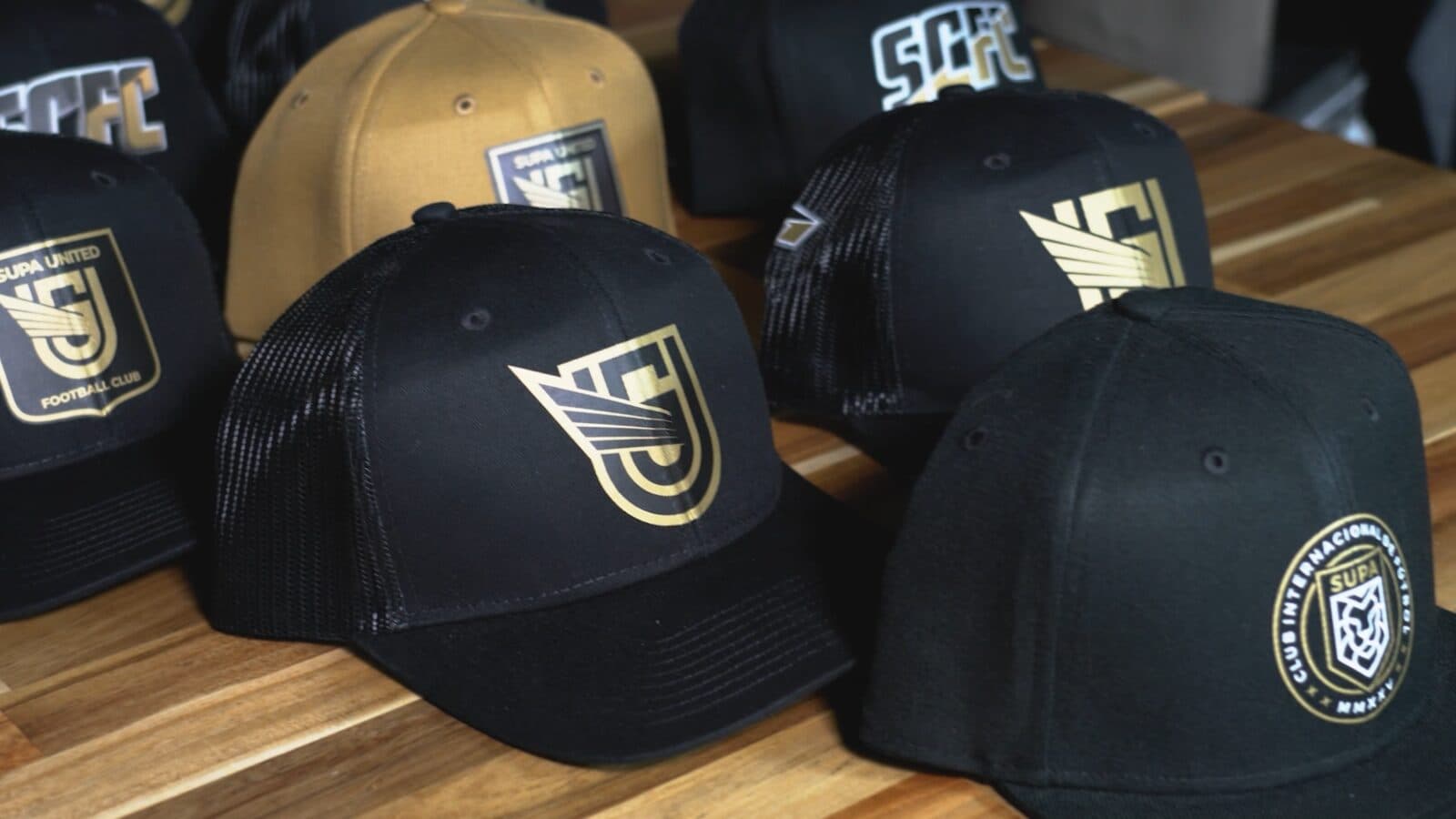
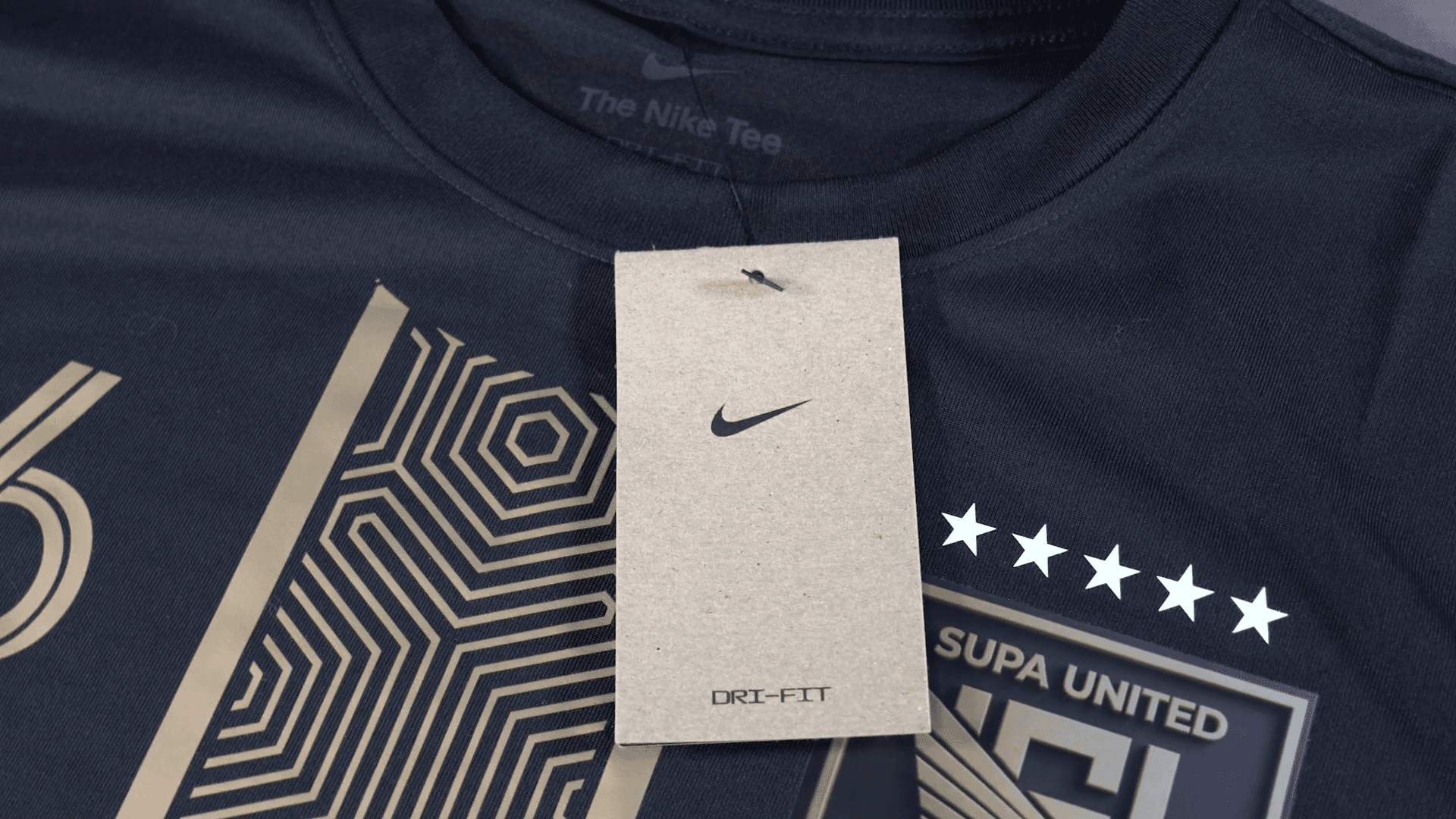
Lo Melt is the right transfer when the fabric is heat-sensitive but dye migration isn't the issue. That covers a lot: Dri-FIT and technical performance wear, premium outerwear you'd rather not risk, tri-blends and spandex, water-resistant items.
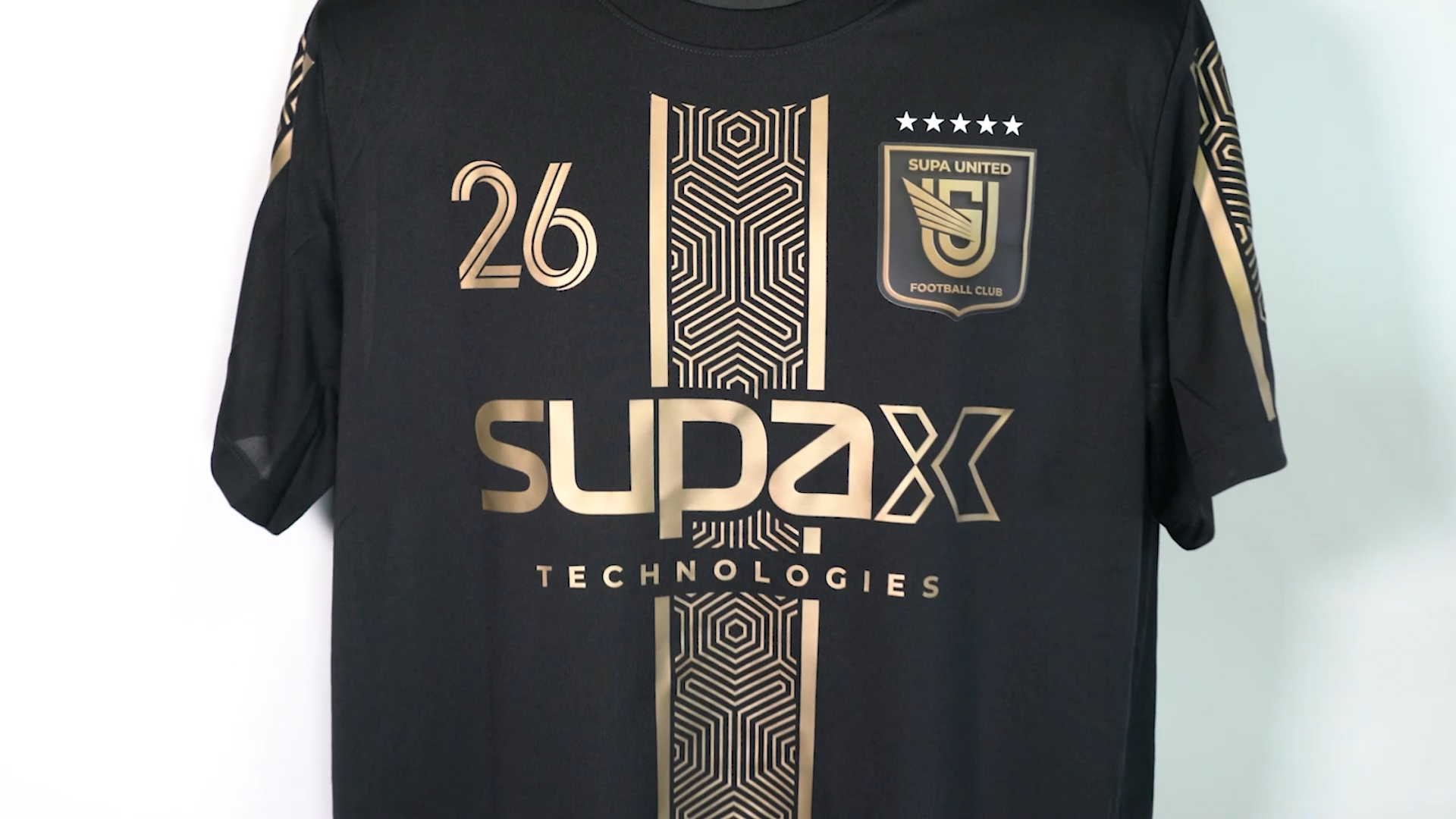
And you don't have to trade quality to get there. Lo Melt is a hybrid heat transfer: the image is digitally printed first, then screen printed over the top, giving it a soft hand feel that doesn't look or feel like a standard transfer. PANTONE colour matching comes as standard, which matters if you're printing for brands — consistent, accurate colours every order, not close enough. And if you're looking to stand out, add our metallics at no extra cost. Learn more here.
Both Lo Melt and Lo Melt Blocker are OEKO-TEX Standard 100 certified: water-based inks, better for the planet, safe for the end wearer.
Lo Melt Blocker: for stopping dye migration in its tracks
Lo Melt handles heat sensitivity. But some fabrics have a second problem — they bleed dye.
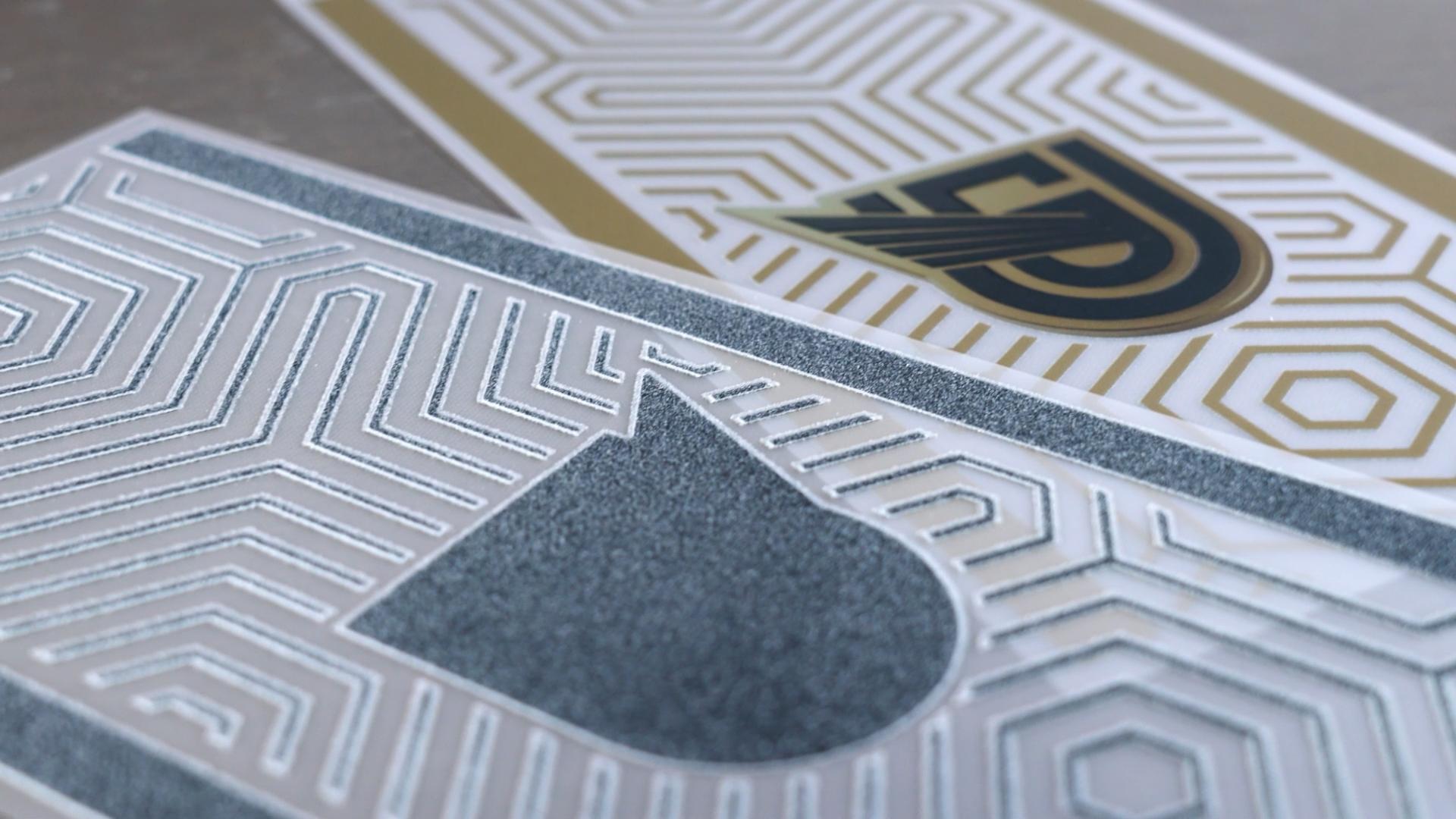
Here's what happens: when you press a transfer onto sublimated jerseys or patterned polyester, the heat reactivates the dyes inside the fabric, turning them into a gas. That gas moves upward and bleeds into the transfer from below, discolouring the print. It doesn't matter how well-made the transfer is — without a blocking barrier, the dye gets through.
Lo Melt Blocker is built for exactly this. It has everything Lo Melt has, plus a bleed blocking layer that stops that gas in its tracks. Same look, same feel, same press temperature — it just adds the protection you need on fabrics where dye migration is a real risk.
Lo Melt vs Lo Melt Blocker: which one do you need?
| Fabric | Lo Melt | Lo Melt Blocker |
|---|---|---|
| Technical fabrics (Dri-FIT, spandex, tri-blends) | ✓ | ✓ |
| Premium outerwear | ✓ | ✓ |
| Water-resistant items | ✓ | ✓ |
| Sublimated jerseys | ✗ | ✓ |
| Patterned polyester | ✗ | ✓ |
| Brightly coloured performance polyester | ✗ | ✓ |
If the garment is heat-sensitive but not sublimated or patterned, Lo Melt is the right call. If there's any chance of dye migration, go with Lo Melt Blocker. The bleed blocking layer won't affect print quality, it just protects you from the most expensive mistake in this category. When in doubt, go with the Blocker.
Still not sure which transfer suits your job? Get in touch and we'll help you work it out.